Say "low maintenance landscaping" and most people picture the same thing. A strip of gravel, three shrubs, and a lot of nothing. That picture is wrong. A boring yard is not low maintenance by design. It is low maintenance by absence.
The truth is that upkeep is decided at the design stage, long before anyone plants anything. A well-designed landscape can be lush, layered, and full of life while asking very little of you. Here is how.
Maintenance is a design decision, not a chore list
Most maintenance problems are really design problems wearing a disguise. The hedge that needs constant trimming was planted too close to the walkway. The lawn that struggles was placed in deep shade. The beds that fill with weeds were left half empty. None of these are care failures. They are decisions made, or skipped, on paper.
When maintenance is considered in the plan, the plan quietly deletes future work. That is the whole idea behind designing for maintenance.
The right plant in the right place does most of the work
A plant matched to its conditions largely takes care of itself. A plant fighting its conditions becomes your weekend job. Sun lovers in the sun. Moisture lovers in the low, damp corner. Drought-tough natives on the dry slope. When the palette fits the site, you stop watering, feeding, and rescuing, and start simply enjoying.
Mature size matters just as much. A shrub chosen to fit its space at full size never needs shearing into a shape it was not meant to hold. Half of all pruning is just correcting a spacing mistake made years earlier.
Plant densely, weed rarely
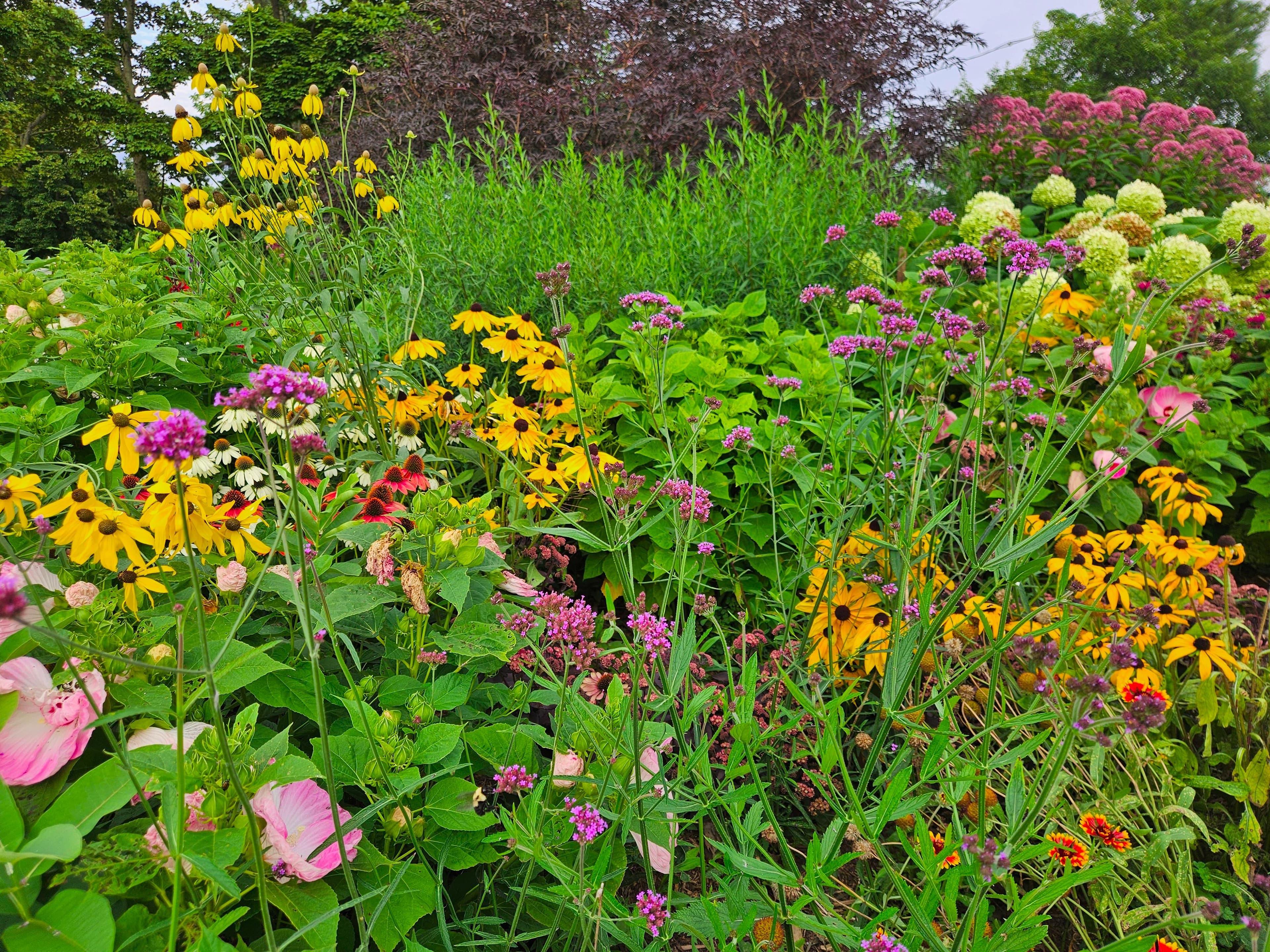
Bare mulch between plants is not tidy. It is an open invitation. Weeds colonize empty ground. Dense, layered planting closes that ground. Groundcovers knit beneath shrubs, perennials grow shoulder to shoulder, and there is simply no room left for weeds to establish. A generously planted bed costs a little more on day one and saves hundreds of hours over its life. It also happens to be the lusher, richer look most people wanted in the first place. This is the clearest case where more impact means less work.
Let structure carry the garden
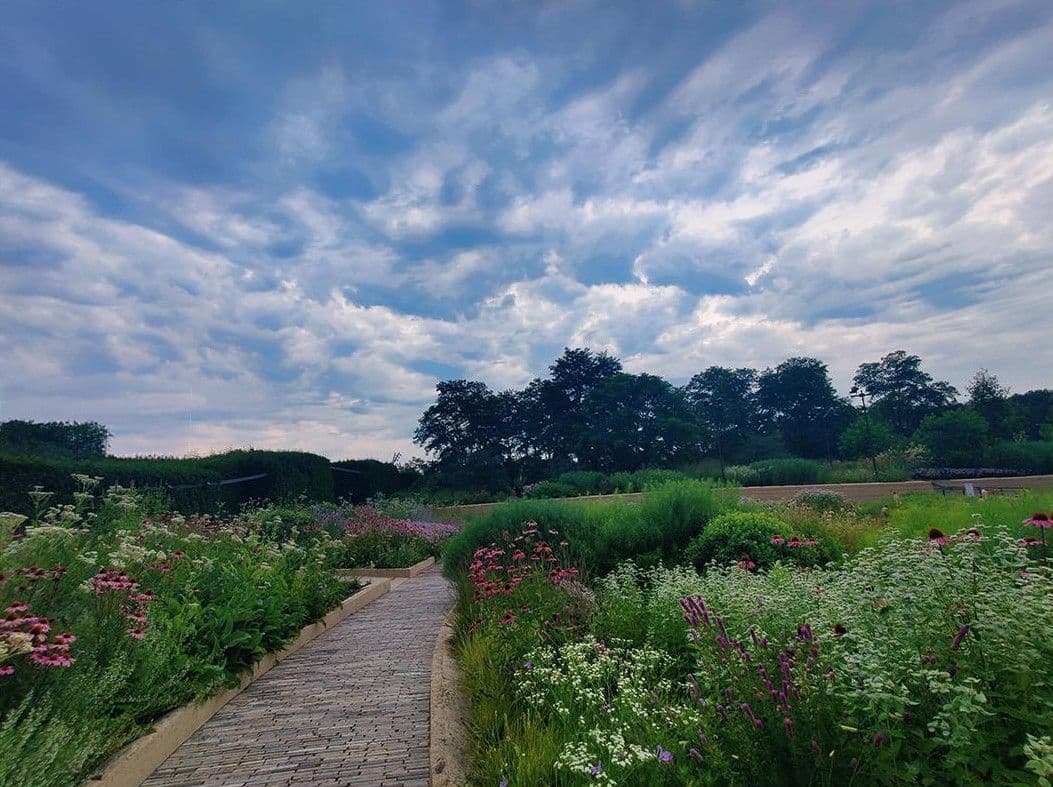
Plants change with the seasons. Structure does not. Good hardscape, clean bed lines, a well-placed tree, a simple path with purpose. These elements give a landscape its backbone, so the design still reads beautifully in November and March, not just in June.
When structure carries the composition, planting does not have to perform constantly, and neither do you. A crisp edge also does something subtle: it frames looser, naturalistic planting so it reads as intentional rather than neglected. One clean line can make a wilder garden look perfectly kept.
Shrink the lawn, keep the green
Lawn is the highest-maintenance surface in almost every yard. Weekly mowing, watering, feeding, and edging, for a surface most families use on a fraction of their property.
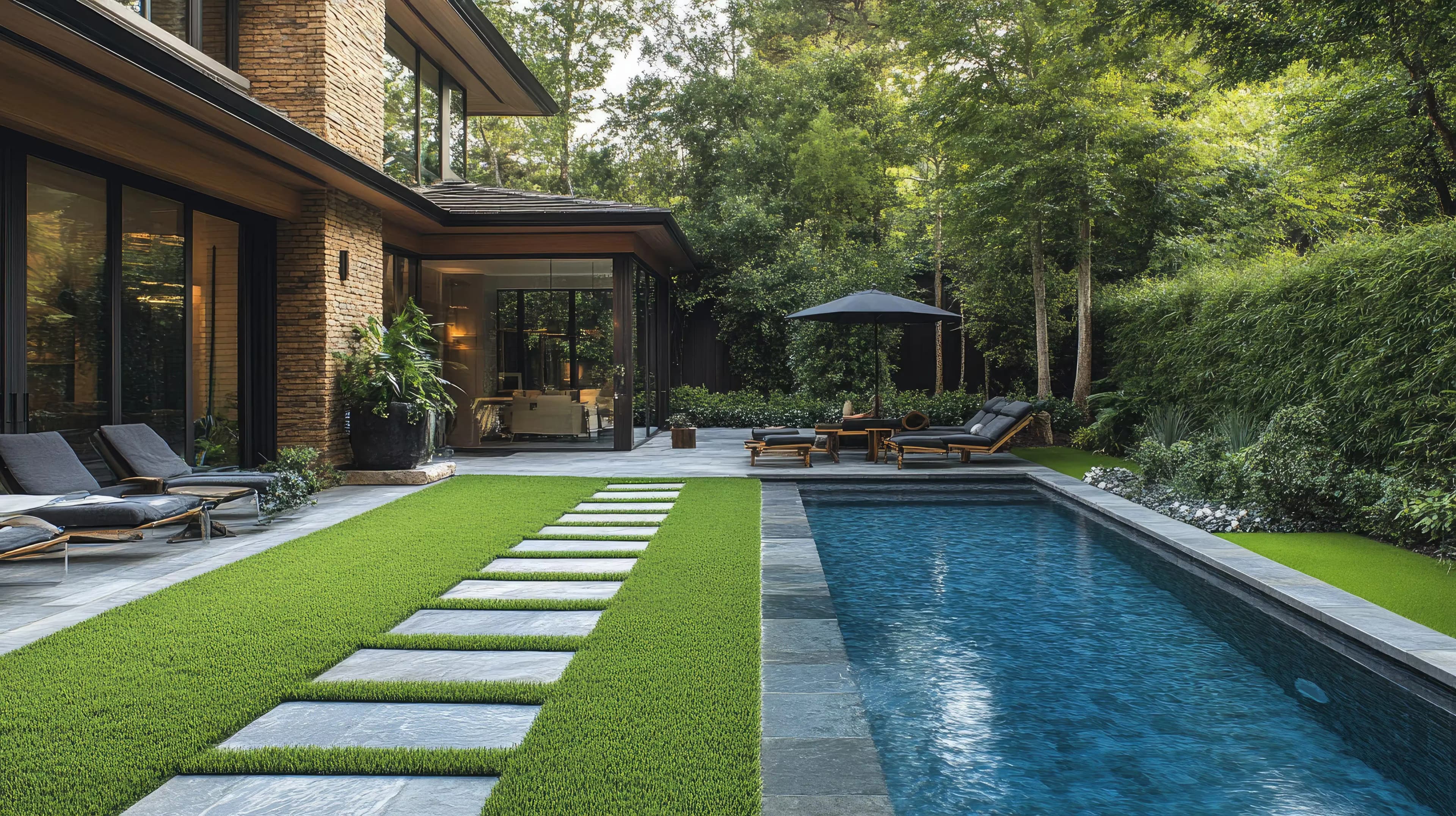
Designing for maintenance does not mean removing lawn entirely. It means right-sizing it. Keep the open green where you actually play and gather, and convert the awkward strips, steep corners, and shaded patches into planting that thrives on its own. Less lawn, more garden, fewer Saturdays on the mower.
Choose materials that age well
Some materials need refinishing, sealing, and repair on a schedule. Others just weather gracefully. Designing for maintenance means choosing surfaces and structures that handle freeze-thaw winters and hot summers without constant attention. It also means detailing them properly: correct base preparation, correct drainage, correct edging. A patio built right in year one is a patio you do not think about in year ten.
Low maintenance is not no maintenance
Honesty matters here. Every living landscape needs some care. The difference is the kind of care. A designed-for-maintenance garden shifts you from weekly intervention to seasonal rhythm. A spring cutback, summer enjoyment with occasional editing, a relaxed fall tidy. Care becomes something closer to gardening for pleasure than upkeep as obligation. That is a trade most people are very happy to make.
High impact, low demand
A landscape can be full, seasonal, alive with pollinators, and still be the easiest yard on the street. Not because it is empty, but because every decision behind it was made deliberately. Low upkeep is not a compromise. Done right, it is a design achievement.
Want a landscape that works harder than you do?
At Studio Srina, maintenance is part of the design conversation from the very first meeting. We design for how much time you actually want to spend in the garden, and then plan every bed, surface, and plant around it. Book a discovery call and tell us what your ideal Saturday looks like.
Studio Srina is a landscape design consultancy serving Etobicoke and the Greater Toronto Area, creating high-impact, low-upkeep residential landscapes for homeowners and contractors.